Taking your dog to Austria: entry rules and documents
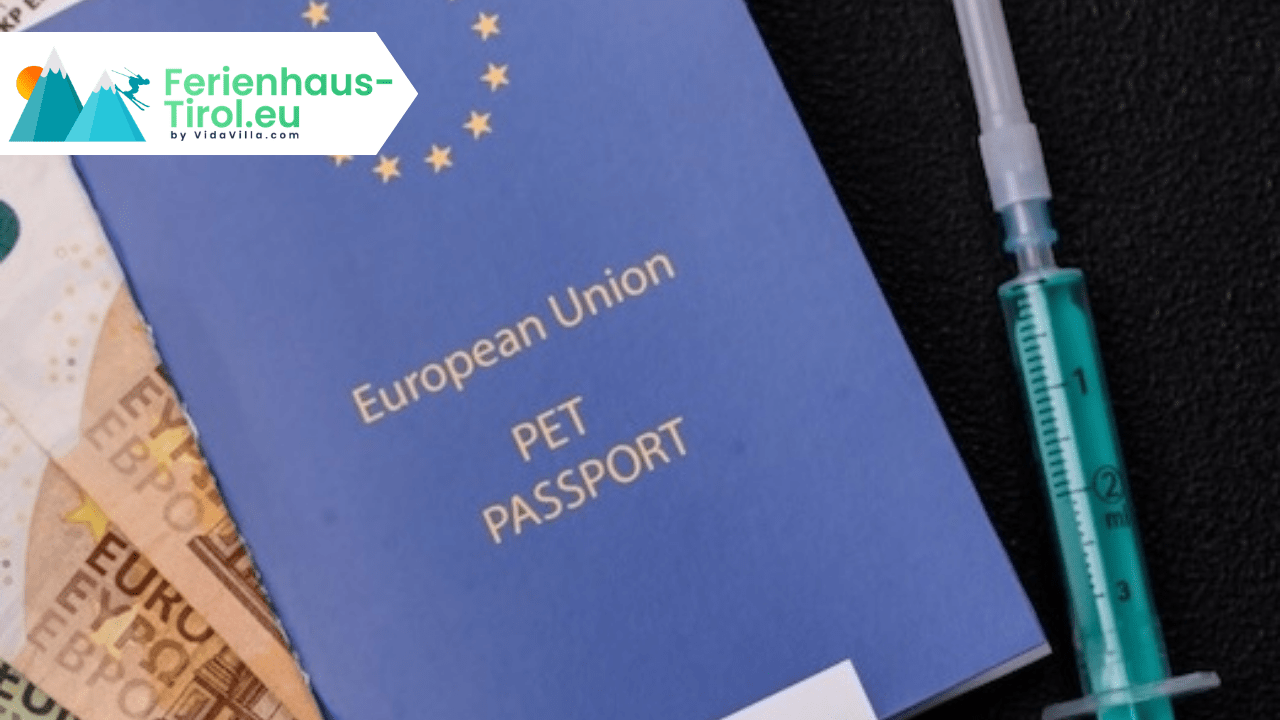
Which documents does your dog need to travel to Austria? Find out what to check regarding pet passports, microchips and rabies vaccinations.
This blog was written by Bjorn Schwarte, co-founder of Ferienhaus-Tirol.eu.
Your accommodation is booked and your dog is coming on holiday with you. But which documents do you need for the journey to Austria? If you are travelling from Germany, the Netherlands, Belgium or another EU country, three requirements are central: a pet passport, identification for your dog and a valid rabies vaccination.
Check these requirements well before departure. Particularly with puppies or an expired vaccination, a waiting period can affect your travel plans.
For your stay, explore holiday homes, chalets and apartments in Austria where dogs are welcome on Ferienhaus-Tirol.eu. Choose accommodation that suits you, your dog and your holiday plans.
1. Which documents does your dog need?
For a private holiday trip from another EU country, your dog needs an EU pet passport. This is issued by an authorised vet.
The passport includes details about your dog, the owner, identification and rabies vaccination. An ordinary vaccination booklet does not replace this travel document. Bring the original pet passport with you.
Before departure, check that the information is complete and corresponds to your dog. Keep the passport somewhere accessible during the journey so you can present it easily if required.
2. Why is the microchip important?
Your dog must be identifiable. This is normally done using a microchip, with its number recorded in the pet passport.
Identification must take place before the rabies vaccination or, at the latest, on the same day. A vaccination given before the required identification does not automatically meet the travel requirements.
If you are unsure about the microchip number or the order of the entries in the passport, ask your vet to check them before you travel.

3. Rabies vaccination: validity and waiting periods
Your dog needs a valid rabies vaccination to travel to Austria. What matters is not simply whether your dog has been vaccinated, but also when the vaccination becomes valid and when it expires.
Your dog must be at least twelve weeks old when receiving their first rabies vaccination. After completing the primary vaccination course, you must wait at least 21 days before travelling with your dog.
If a booster is administered while the previous vaccination is still valid, there is normally no new waiting period. If the previous vaccination has expired, the next vaccination is treated as a primary vaccination for travel purposes. You must then allow for the required waiting period again.
Check both the “valid from” date and the expiry date in the pet passport. Make sure the vaccination remains valid throughout your trip, including the return journey.
4. Can a puppy travel to Austria?
Austria does not permit entry with unvaccinated puppies or young dogs whose rabies vaccination is not yet valid.
With a first vaccination at twelve weeks of age followed by the 21-day waiting period, a puppy can therefore enter Austria at fifteen weeks old at the earliest. If vaccination takes place later, the earliest possible travel date also moves back.
Discuss the dates with your vet before booking. This allows you to plan the journey around the vaccination validity recorded in the pet passport.
5. What applies when travelling from a non-EU country?
If you are travelling from outside the EU, check the requirements for your country of departure separately. A foreign vaccination booklet alone is not automatically sufficient.
Depending on the country of origin, you may need the following in addition to identification and a rabies vaccination:
- An official animal health certificate.
- A declaration confirming that the journey is private and non-commercial.
- A rabies antibody blood test, where required, with additional waiting periods.
Exceptions apply to certain countries, such as Switzerland, allowing travel with a recognised pet passport.
Arrange additional documents in good time
Where an animal health certificate is required, it must generally be issued within ten days before the EU entry checks. If a rabies antibody blood test is required, preparations need considerably more time.
Also consider where you first enter the EU. If you travel from a non-EU country through another EU member state on your way to Austria, the required checks must be considered at your first point of entry into the EU.
You can find the current requirements for your country of departure in the European Commission’s guidance on bringing pets into the EU from non-EU countries.

6. Travelling with several dogs or another accompanying person
The usual rules for private pet travel apply to journeys that do not involve a sale or transfer of ownership. In general, a maximum of five dogs, cats or ferrets may travel together in one vehicle. Exceptions exist for certain events.
If your dog travels with an authorised person instead of you, additional conditions apply. These include a written declaration and a gap of no more than five days between your journey and your dog’s journey.
For an ordinary holiday where you bring your own dog, preparations are usually straightforward. If you travel separately or with a larger group of animals, check which rules apply beforehand.
7. After arrival: which local rules apply?
Having the correct travel documents does not complete all your preparations. Austrian federal states and municipalities can have different lead and muzzle requirements. Check the rules at your holiday destination.
Additional rules for certain dog breeds
Certain dog breeds and their crosses may be subject to additional requirements, such as stricter lead and muzzle rules for dogs on an official breed list. Before travelling, ask the relevant municipality whether your dog falls under these rules and which requirements apply during your holiday stay.
Hiking together or enjoying the winter
Planning to explore the mountains together? Our blog “Hiking in Austria with your dog: what should you consider?” offers practical advice on choosing and preparing for a suitable walk.
Are you visiting Austria in winter? In our blog “Ski holidays with your dog in Austria: how to plan relaxed winter days”, you can read about arranging dog care while you ski, choosing suitable winter walking trails and preparing your dog for outings in the snow.
Checklist before departure
- Pet passport: Do you have the correct travel document, with all required information completed?
- Identification: Does the microchip number match the number recorded in the passport?
- Rabies vaccination: Is it valid when you depart, and will it remain valid until you return?
- Waiting period: Have at least 21 days passed after a primary vaccination or a vaccination following a lapse in validity?
- Puppies: Does your puppy’s age meet the earliest possible travel date?
- Health precautions: Have you discussed general vaccinations and protection against ticks and fleas with your vet?
- Travel route: Have you checked the requirements for transit countries and your return journey?
- Travel from outside the EU: Are additional certificates or tests required?
- Holiday destination: Do you know the local rules, any requirements for your dog’s breed and your accommodation’s conditions?
Well prepared for Austria with your dog
Check your dog’s pet passport, identification and rabies vaccination before finalising your travel plans. This leaves enough time to resolve missing information or arrange necessary vaccinations. Remember to consider health preparations and the rules at your destination, too.
Frequently asked questions about travelling to Austria with your dog
Will my dog be checked at the border?
Your dog will not be checked on every entry, but checks are possible, so keep the pet passport accessible. If you are travelling from a non-EU country, mandatory document and identification checks may take place where you first enter the EU.
Information checked: October 2026. Before departure, consult the current guidance on oesterreich.gv.at and from the European Commission.
My name is René Schwarte, founder and co-owner of Ferienhaus-Tirol.eu. With many years of experience in holiday home rentals and deep familiarity with international guest expectations, I understand what makes a vacation truly enjoyable.
Ferienhaus-Tirol.eu offers a wide selection of carefully curated holiday homes, chalets and group accommodations throughout Austria. Whether you're travelling as a couple or with a group of up to 50 people – we help you find the right place with ease.
Our website is available in English, German and Dutch. We speak your language and are happy to assist you with any questions or special requests.
Need help?
Feel free to get in touch – we're here to make your Austrian holiday unforgettable.
Phone: +31854016545 Mail: info@Ferienhaus-Tirol.eu

René Schwarte
Co-OWNER
