Winter hiking in Austria - a few handy tips
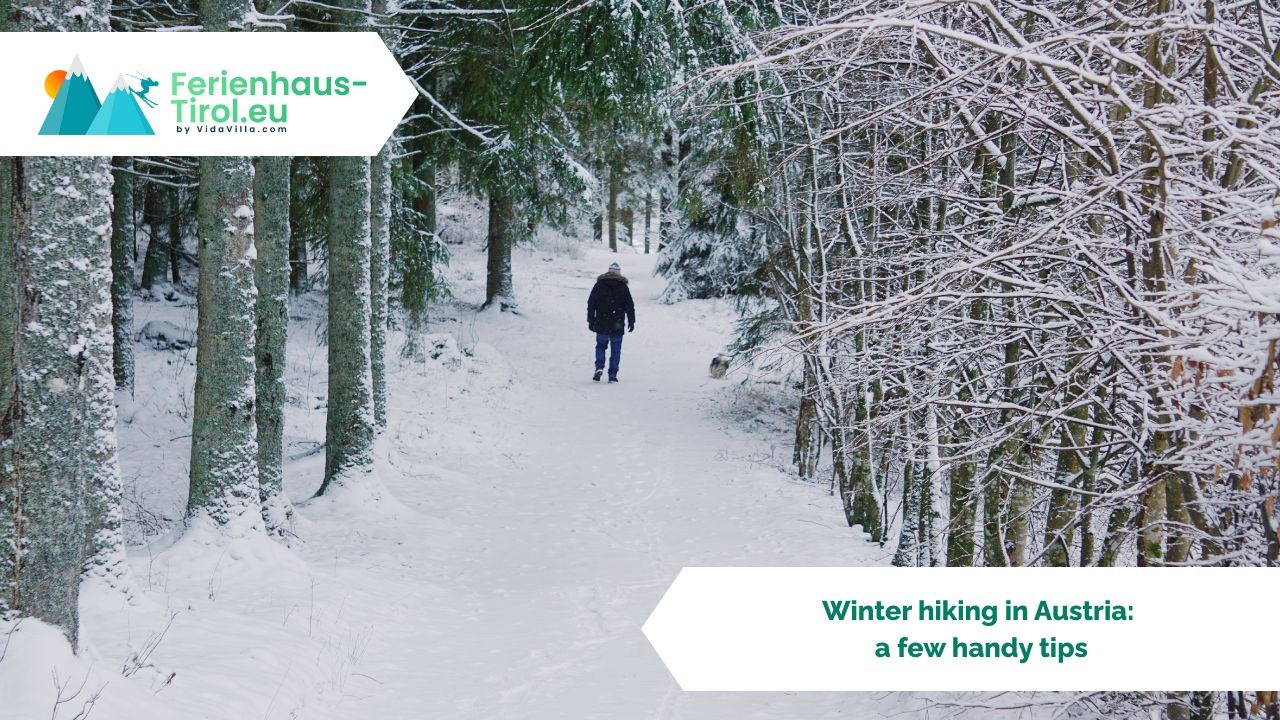
Many people are fed up with the crowds on the slopes. They're looking for peace, nature, and an affordable winter alternative. Winter hiking offers just that. You walk along groomed snow-covered paths through tranquil valleys and forests, without skis, lifts, or queues. With sturdy hiking boots, warm layers, and a thermos of tea, you can enjoy the crunchy snow and panoramic views for hours.
In this blog post, you'll discover what winter hiking is, how it differs from regular walking, what gear you need, where to go, and how to make your winter hike safe and enjoyable. We offer practical tips and inspire you with destinations where the snow experience takes center stage. This blog post was written by René Schwarte, co-owner and founder of Ferienhaus Tirol.
Why are more and more people looking for an alternative to skiing?
The trend toward slow travel is growing: more and more people want to slow down and consciously enjoy nature. Skiing and snowboarding are intensive, expensive, and require a ski pass. Winter sports areas are also becoming more crowded, which is diminishing the tranquility.
Winter hiking, on the other hand, is accessible; you don't need a lift ticket, you can set your own pace, and you're close to nature. Hundreds of kilometers of groomed winter hiking trails await you. This makes this activity perfect for families, seniors, and anyone who wants to enjoy a winter nature experience without excessive exertion.
What exactly is winter hiking, and how does it differ from regular hiking?
Winter hiking involves walking on cleared snow paths. These paths are swept or rolled so you can walk in regular mountain boots. It's different from a summer hike because the landscape is covered in a blanket of white, and the silence is much more intense: the snow crunches under your feet, and the only sounds are your own breath and the birds. Unlike snowshoeing, winter hiking usually doesn't require snowshoes; on groomed trails, a good pair of hiking boots is sufficient.
The difference from regular hiking also lies in the gear. You dress according to the three-layer system and choose waterproof shoes with tread. Because the ground is cold and sometimes slippery, you often use hiking poles with snow caps for extra grip. The pace is usually slower so you can enjoy the winter atmosphere; performance isn't the priority. When venturing off-groomed trails, you wear snowshoes to prevent sinking and, if necessary, hiking boots for grip on ice.
What shoes and clothing do you need for winter hiking?
The right equipment makes your winter hike comfortable and safe. We recommend the following:
- Layered clothing: Wear functional underwear as the first layer, an insulating sweater or fleece as the second layer, and a water-repellent outer layer with a hood as the third layer. Ski pants or warm hiking pants are better than jeans.
-
Socks and gaiters: Mountain or trekking socks made from a blend of natural and synthetic fibers keep your feet warm and dry. Gaiters (leg protectors) prevent snow from getting into your shoes and keep your trouser legs dry.
-
Shoes: Sturdy, waterproof mountain hiking boots with good tread are essential. They provide grip on snow and icy patches. You may want to bring hiking shoes or spikes if the trails are frozen.
-
Accessories: A hat, gloves, and scarf are essential; the winter sun is bright, so sunglasses and sunscreen should also be in your backpack.
What should you bring for your trip?
A well-stocked backpack ensures you won't encounter any surprises. Bring:
-
Hot drinks (e.g., tea in a thermos) and plenty of food.
-
A seat cushion so you can comfortably take breaks on cold benches.
-
A hiking map or app with routes and a charged mobile phone; the European emergency number 112 also works without a SIM card.
-
A first aid kit and, if necessary, a first aid kit.
-
Sunglasses and sunscreen.
-
Walking poles or telescopic poles for stability on slippery surfaces.
-
Optional items such as snowshoes (for off-road use), binoculars, a camera, or a waterproof cover for your backpack.
Can you combine winter hiking with other activities?
Absolutely. Winter hiking is perfect for combining with sledding, snowshoeing, cross-country skiing, or a visit to a mountain hut. The Zillertal valley boasts 400 km of winter hiking trails, and along the way you'll find many romantic mountain huts where you can enjoy a warm meal. In Zell am See-Kaprun, you can first stroll along the lake and then take a guided snowshoe tour on the Schmittenhöhe or Kitzsteinhorn. Wellness is also a great option: after a few hours of hiking, you can relax in a sauna or thermal baths. Torchlight hikes are organized in some villages; ask your local tourist office about the options.
Where in Austria is the best place for winter hiking?
Austria offers countless regions for winter hikers. Some recommendations:
Seefeld in Tyrol: On the Seefeld high plateau, you'll find 142 kilometers of cleared and marked winter hiking trails. The five villages in the region offer flat paths, multi-day hikes, and even 35 kilometers of snowshoe trails.
Zillertal (Tyrol): Thanks to modern grooming machines, the 400 kilometers of winter hiking trails in the Zillertal are easily accessible. Along the way, you can stop at cozy huts for local delicacies.
Salzburg: An extensive network of cleared winter hiking trails lies in Zell am See–Kaprun. Sturdy shoes with good tread are sufficient; you can walk along the lake or climb higher for panoramic views.
Other regions: The Bregenzerwald and Kleinwalsertal in Vorarlberg are known for their peaceful winter hiking trails. In Saalbach and the Tennengebirge, you'll find over 100 km of cleared trails, and you can sometimes hike up by lift. Numerous winter hiking trails also run along Lake Achensee, in the Grossarltal Valley, and in the Tannheimer Valley.
Is winter hiking suitable for families with children or seniors?
Yes, this activity is specifically designed for a wide audience. Many trails are flat or gently rolling and range from two to ten kilometers. In Seefeld, there are short walks of less than an hour, and there are winter hikes specifically for families. In Zell am See–Kaprun, you can take easy loops around the lake or to a hut. For children, a sled or toboggan run makes the trip extra fun. Senior hikers appreciate the peaceful trails and the opportunity to stop at a hut along the way. Please note: strollers are only permitted on well-maintained paths in the valley; please inquire locally.
How safe is winter hiking and what should you pay attention to?
Winter hiking is safe if you follow the rules. Here are the most important points:
-
Stay on marked trails: On cleared and marked winter hiking trails, you are usually safe from alpine hazards. Deviating from the trails increases the risk of disorientation, falls, or even triggering an avalanche.
-
Check the weather: Check the weather forecast and avalanche reports beforehand, especially if you're going off-piste. A hike may be unwise in the event of fresh snow or storms.
-
Use the right equipment: warm clothing, waterproof shoes, poles with snow caps, and possibly spikes provide grip on slippery sections.
-
Take breaks and listen to your body: walk slowly and rhythmically; if you're sweating or can't speak due to shortness of breath, you're going too fast. Regular breaks prevent you from getting too tired.
-
Tell others your route: If you're going alone or with someone else, tell them where you're going and when you'll be back. Take a fully charged phone with you and know how to call the emergency number 112.
Are there organized winter hikes or guided tours?
Many regions offer guided winter hikes and snowshoe tours, ideal for in ski resorts for beginners in Austria. In Seefeld, you can participate in a four- or five-day winter hike where you hike a different route each day and spend the night in cozy accommodations. In Zell am See–Kaprun, there are guided snowshoe tours on the Schmittenhöhe and Kitzsteinhorn, suitable for beginners and experienced hikers. Torchlight hikes and themed walks are also organized in other areas such as Saalbach, the Bregenzerwald, and the Wilder Kaiser. A guide ensures safety, tells you about the area, and provides tips.
Practical tips for a successful winter hike
-
Check the weather and avalanche forecasts: plan your hike on a day with calm weather.
-
Dress in layers: use the 3-layer system and bring an extra layer in case it gets colder.
-
Use hiking poles: poles with snow caps provide stability on slippery paths.
-
Download an app or bring a hiking map: apps like Komoot and Bergfex offer winter hiking routes with GPS, but a paper map is always handy.
-
Leave early and allow plenty of time: in winter, the days get shorter quickly; make sure you're back before dark.
-
Combine activities: turn your hike into a day trip. Hike to a mountain hut and toboggan back, or finish with a wellness retreat.
Conclusion
Winter hiking in Austria offers you the chance to experience the Alps in a peaceful and authentic way. It's easy, affordable, and accessible to everyone. You'll walk along groomed trails, enjoy the silence and panoramic views, and set your own pace. With the right shoes, layers, and proper preparation, it's safe and comfortable.
My name is René Schwarte, founder and co-owner of Ferienhaus-Tirol.eu. With many years of experience in holiday home rentals and deep familiarity with international guest expectations, I understand what makes a vacation truly enjoyable.
Ferienhaus-Tirol.eu offers a wide selection of carefully curated holiday homes, chalets and group accommodations throughout Austria. Whether you're travelling as a couple or with a group of up to 50 people – we help you find the right place with ease.
Our website is available in English, German and Dutch. We speak your language and are happy to assist you with any questions or special requests.
Need help?
Feel free to get in touch – we're here to make your Austrian holiday unforgettable.
Phone: +31854016545 Mail: info@Ferienhaus-Tirol.eu

René Schwarte
Co-OWNER
